
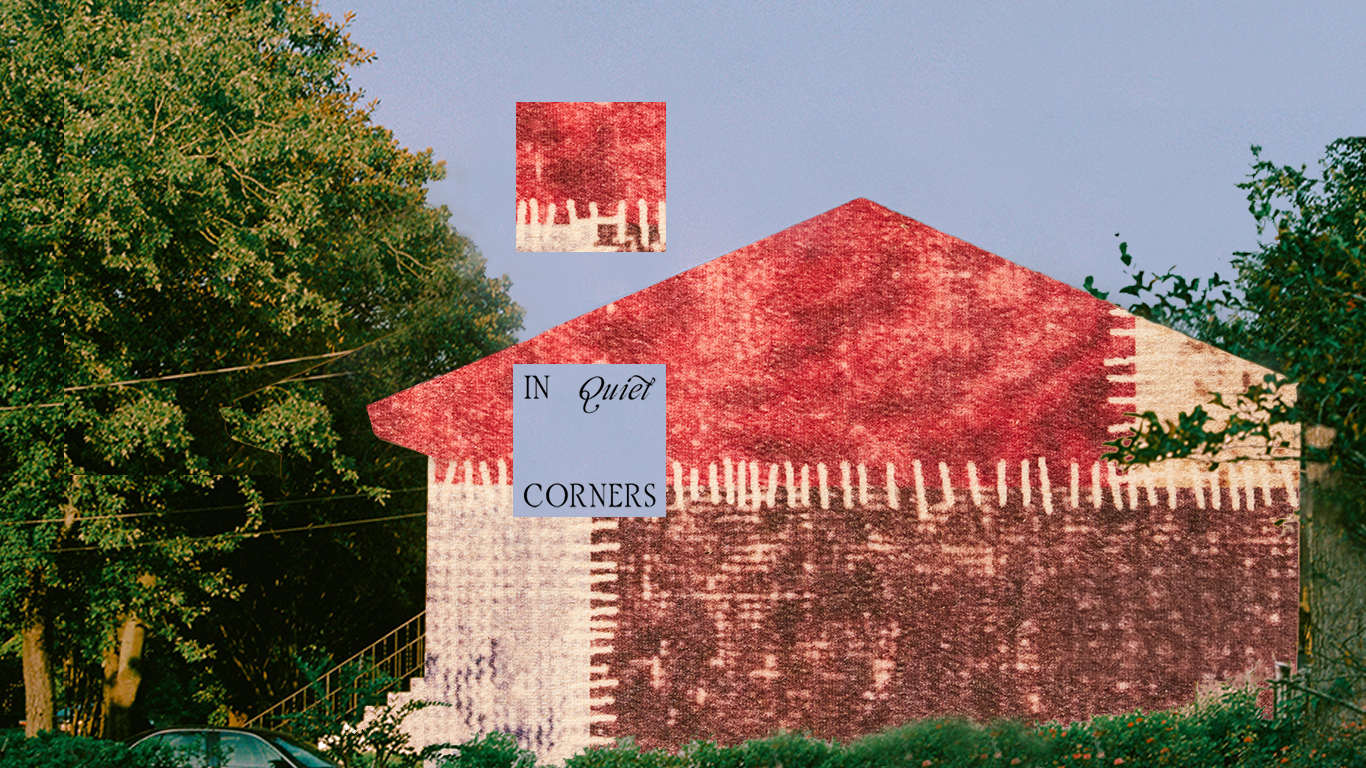
“I saw my life branching out before me like the green fig tree in the story. From the tip of every branch, like a fat purple fig, a wonderful future beckoned and winked. One fig was a husband and a happy home and children, and another fig was a famous poet and another fig was a brilliant professor, and another fig was Ee Gee, the amazing editor, and another fig was Europe and Africa and South America, and another fig was Constantin and Socrates and Attila and a pack of other lovers with queer names and offbeat professions, and another fig was an Olympic lady crew champion, and beyond and above these figs were many more figs I couldn't quite make out. I saw myself sitting in the crotch of this fig tree, starving to death, just because I couldn't make up my mind which of the figs I would choose. I wanted each and every one of them, but choosing one meant losing all the rest, and, as I sat there, unable to decide, the figs began to wrinkle and go black, and, one by one, they plopped to the ground at my feet.”
Sylvia Plath, The Bell Jar
Issue (01)
Edges & Intervals
{the spaces between, the thresholds, the pauses}
Issue (01)
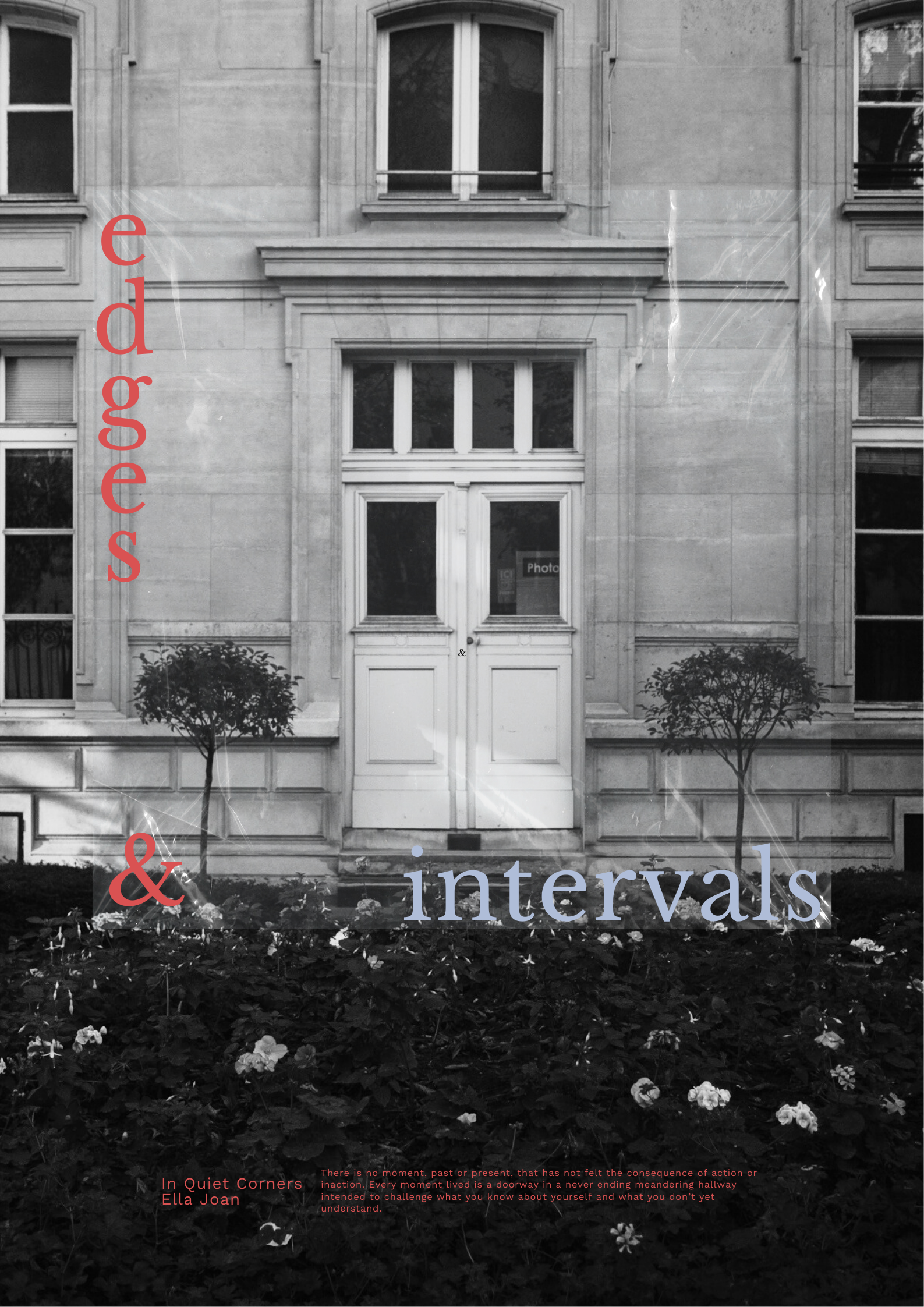
Edges & Intervals begins at the threshold — not just the architectural one, but the personal one. It lingers where light meets shadow, where a doorway divides one room from another, where an object carries the warmth of a hand long gone. Architecture is our language here, but it isn’t the whole story. The real subject is the space between who we were and who we are trying to become.
This issue looks at the moments we pause: at the edge of a decision, at the edge of memory, at the edge of a room that once felt like home. It considers how spaces hold our histories — how a chair, a window, the weight of a handle can steady us or keep us suspended in something that has already passed. Memory can anchor; it can also trap. We can return to it, rearrange it, even design around it, but we cannot live inside it unchanged.
Edges define. Intervals allow breath. Between them is movement — reflection without stagnation, nostalgia without illusion, structure without rigidity. This first issue is about recognising the line, standing on it, and deciding whether to stay, step back, or cross over.